
Scaffold Tower vs Full Scaffold: Which One Do You Need?
For smaller access jobs, customers often ask whether they need a scaffold tower or full scaffolding.
The right answer depends on the height, type of work, duration, access and how much working space is needed.
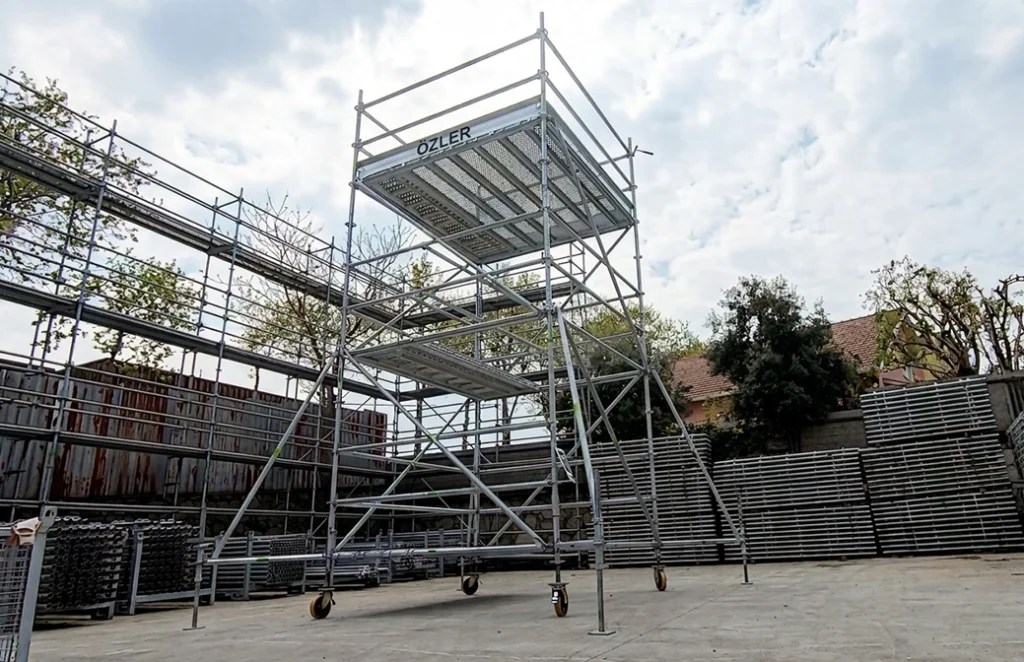
What is a scaffold tower?
A scaffold tower is a smaller access structure often used for short duration jobs, inspections, minor repairs, painting, guttering and internal or external maintenance. It can be useful where a full scaffold is not needed.
What is full scaffolding?
Full scaffolding is a larger structure built around part or all of a property. It is usually needed for roof works, chimney repairs, rendering, window replacement, larger painting works, extensions and longer projects. Full scaffolding gives workers more space and better access across a wider area.
When is a scaffold tower suitable?
A scaffold tower may be suitable for:
• Small repairs
• Guttering
• Minor painting
• Inspections
• Short access jobs
• Internal works
• Simple external maintenance
When is full scaffolding better?
Full scaffolding may be better for:
• Roof repairs
• Chimney works
• Rendering
• Large painting jobs
• Window replacement
• Loft conversions
• Extensions
• Longer duration works
• Jobs needing multiple working platforms
Which is cheaper?
A scaffold tower is often cheaper than full scaffolding, but it is not suitable for every job. Choosing the wrong access method can cause delays or create safety issues.
The best option is the one that provides safe, practical access for the work being carried out.
The price of electrical repairs depends on the type of issue, job complexity, and even the time of day—emergency or after-hours service may come at a premium.
Our licensed electricians provide itemized estimates covering labor and materials—no hidden fees, just honest pricing.You'll know what to expect before any work begins.
Routine checkups catch small issues early, helping you avoid major repairs. It boosts safety, extends system life, and saves you time and money.
Whether it's a scheduled job or an urgent call, our team responds quickly and gets the job done right—minimizing downtime and keeping you safe.
Electrical Shock
If someone receives an electrical shock, do not touch them while they’re still in contact with the electrical source. Immediately turn off the power at the breaker if you can do so safely. Once the power is off, check the person for breathing and responsiveness. Call emergency services right away and provide first aid only if you are trained.
Burning Smell or Sparks
If you detect a burning smell or see sparks from an outlet or appliance, unplug it only if it’s safe to do so, and contact an emergency electrician right away.
Child & Pet Safety
Keep children and pets away from any area where an electrical issue is occurring. Block off the space, turn off the power if possible, and ensure they cannot touch outlets, cords, or appliances while you assess the situation. Use outlet covers, cord protectors, and teach children never to insert objects into electrical sockets.
Regular Inspections
Schedule periodic electrical inspections to identify worn wiring, overloaded circuits, or aging components before they become dangerous. Have a licensed electrician review your panel, outlets, switches, and high-use appliances. Early detection helps prevent emergencies and ensures your home stays code-compliant and safe.
FAQ
Not sure whether you need a tower or full scaffold?
Send us the job details and we will advise.
Is a scaffold tower cheaper than full scaffolding?
Usually, yes. A scaffold tower can be more cost-effective for smaller jobs, but it is not suitable for every project.
Can I use a scaffold tower for roof repairs?
It depends on the roof work. Small access tasks may be possible, but larger roof repairs usually need proper roofing scaffolding.
Is full scaffolding safer?
Full scaffolding can provide safer and more practical access for larger or longer jobs because it gives more working space and stability.
Can 14 Scaffolding advise which option I need?
Yes. Send photos, the address and details of the work, and we can advise which access option is more suitable.