
Do I Need a Pavement Licence for Scaffolding?
If scaffolding is placed fully on private land, such as a driveway or garden, a pavement licence may not be needed.
However, if scaffolding needs to stand on, overhang or affect a public pavement, road or highway, permission from the local authority may be required.
This is common in London, especially for terraced houses, shopfronts, commercial buildings and properties where the scaffold has to sit outside the boundary line.
What is a pavement licence for scaffolding?
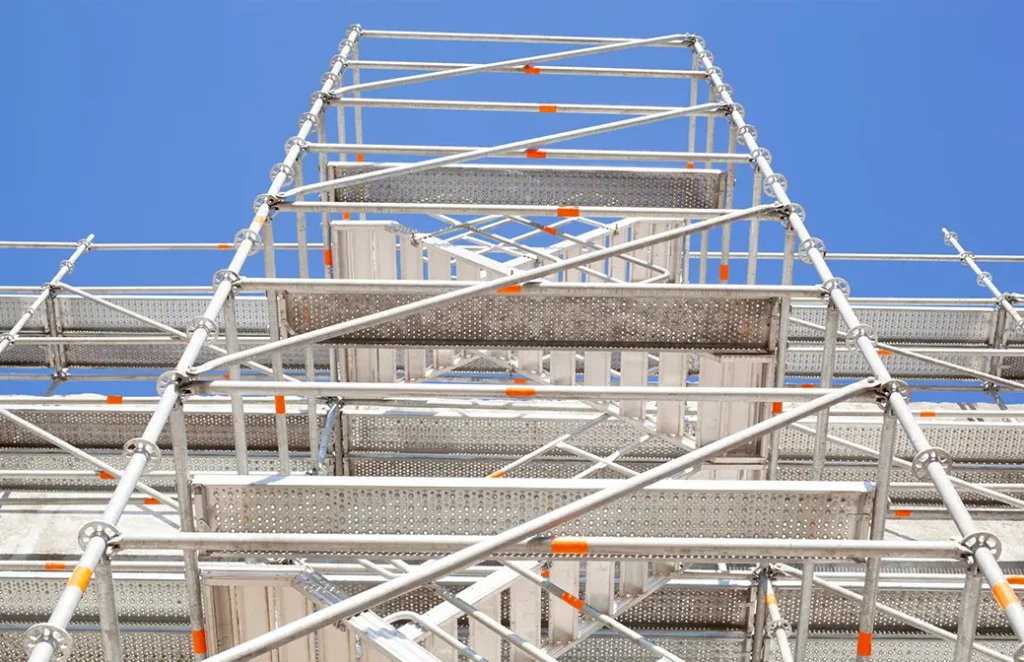
A scaffolding pavement licence, also known as a scaffold licence or highway licence, is permission from the local council to place scaffolding on or over a public highway.
This can include:
• Public pavements
• Footpaths
• Roads
• Highways
• Some rear access lanes
• Public areas outside a property
The exact rules, costs and processing times depend on the local authority.
Who applies for the licence?
In many cases, the scaffolding company will advise on whether a licence may be needed. The application process depends on the local council and the type of scaffold.
Before any scaffold is placed on public highway, the relevant permission should be in place.
Do scaffolders charge per metre?
A pavement licence can affect:
• The total cost
• The start date
• The paperwork required
• The amount of notice needed
• The way the scaffold is positioned
• Lighting, protection or public safety requirements This is why it is important to mention at the quote stage if the scaffold may need to sit on a pavement
or public area.
How 14 Scaffolding can help
When quoting, we look at the property, access and scaffold position. If the job may require a pavement licence, we will explain this clearly so it can be factored into the cost and timing.
The price of electrical repairs depends on the type of issue, job complexity, and even the time of day—emergency or after-hours service may come at a premium.
Our licensed electricians provide itemized estimates covering labor and materials—no hidden fees, just honest pricing.You'll know what to expect before any work begins.
Routine checkups catch small issues early, helping you avoid major repairs. It boosts safety, extends system life, and saves you time and money.
Whether it's a scheduled job or an urgent call, our team responds quickly and gets the job done right—minimizing downtime and keeping you safe.
Electrical Shock
If someone receives an electrical shock, do not touch them while they’re still in contact with the electrical source. Immediately turn off the power at the breaker if you can do so safely. Once the power is off, check the person for breathing and responsiveness. Call emergency services right away and provide first aid only if you are trained.
Burning Smell or Sparks
If you detect a burning smell or see sparks from an outlet or appliance, unplug it only if it’s safe to do so, and contact an emergency electrician right away.
Child & Pet Safety
Keep children and pets away from any area where an electrical issue is occurring. Block off the space, turn off the power if possible, and ensure they cannot touch outlets, cords, or appliances while you assess the situation. Use outlet covers, cord protectors, and teach children never to insert objects into electrical sockets.
Regular Inspections
Schedule periodic electrical inspections to identify worn wiring, overloaded circuits, or aging components before they become dangerous. Have a licensed electrician review your panel, outlets, switches, and high-use appliances. Early detection helps prevent emergencies and ensures your home stays code-compliant and safe.
FAQ
Not sure whether your scaffold needs a pavement licence?
Speak to 14 Scaffolding for advice.
Do I need a licence if the scaffold is on my driveway?
Usually, scaffolding on private land does not need a pavement licence, but this depends on the exact position and whether it affects public access.
Do I need permission if scaffolding is on the pavement?
Yes. If scaffolding is placed on or over a public pavement, road or highway, local authority permission is usually required.
Does every London council charge the same?
No. Licence rules, fees and processing times can vary depending on the council.
Can scaffolding go up before the licence is approved?
Scaffolding should not be placed on a public highway until the required licence or permission has been granted.